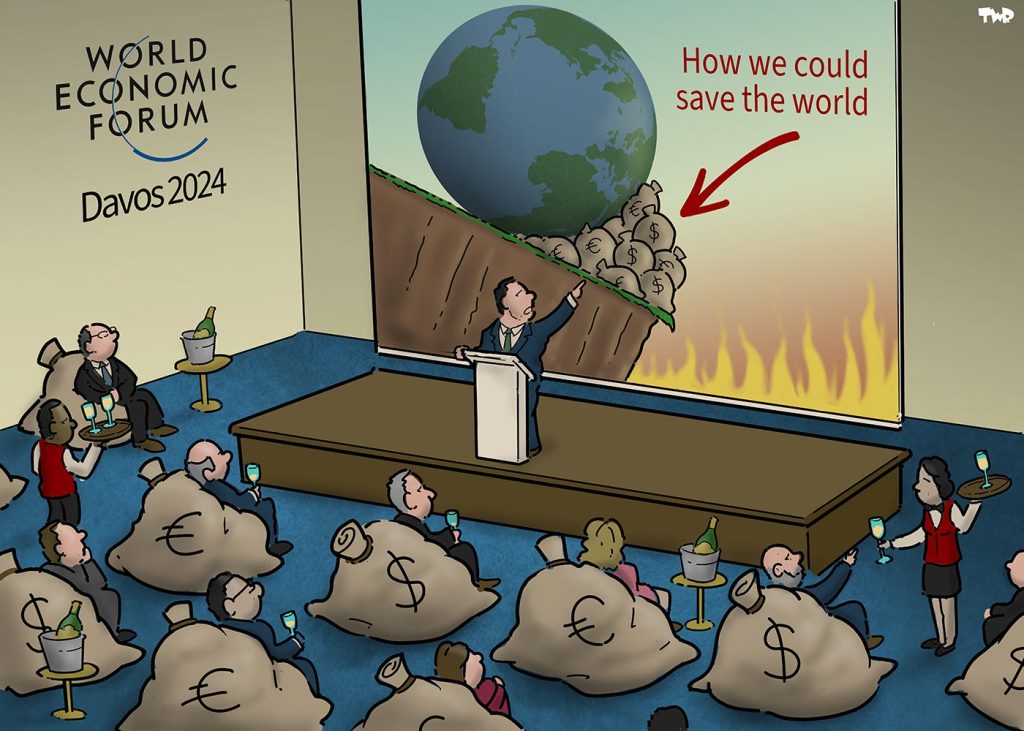
Listen, if history has taught us anything, it’s that you should probably be wary of the folks who openly fantasize about fewer of you walking around. Especially when those same folks keep getting promoted to run the planet’s steering wheel.
You know the type. They’re at every elite conference, sipping whatever $47 sparkling water pairs with existential dread, nodding solemnly while someone powerpoints about how the real problem isn’t war, famine, child sexploitation, or opioids. No, the problem is you. Breathing. Existing. Taking up valuable real estate that could be better used by, I don’t know, endangered beetles or a nice wind farm that kills birds at an impressive rate.
“Humans are a virus on the planet,” they say, with the straight face of someone who just invented a new religion and also owns three Teslas and a private jet itinerary that would make Taylor Swift blush. This isn’t some edgy emo teenager’s slam poetry. This is TED Talk material. These are the people getting book deals, Netflix specials, and seats at the big kid table where they decide which levers get pulled on society.
Imagine if your mechanic looked at your car and said, “Yeah, the problem here is too much car. We should reduce the car.” You’d find a new mechanic. But when it’s applied to humanity? Suddenly it’s “nuanced” and “brave.” Buddy, if we’re a virus, you’re the variant that shows up to the pandemic conference in first class while lecturing everyone else about their carbon footprint.
And the population reduction crowd? They’ve got receipts going back decades. From the cozy intellectual salons where they debated the optimal number of peasants (always fewer) to the modern policy papers that treat birth rates like a bug that needs fixing. They dress it up in graphs and “sustainability” language, but strip away the PowerPoint and it’s the same old song: There are too many of those people, and not enough of us smart ones managing things. The humility is breathtaking. Almost as breathtaking as the fact that the people pushing hardest for fewer humans rarely volunteer to start by culling themselves.
Then there’s the reflexive cultural eye-roll at anyone who dares quote the Bible. Some mid-level culture worker hears “be fruitful and multiply” and reacts like they just smelled expired milk. Can’t have that primitive sky-daddy stuff interfering with our enlightened, sterile, declining-birth-rate dystopia! Never mind that the Bible’s track record on “don’t be a complete asshole to each other” has, historically, outperformed most philosophy department manifestos. Never mind that dismissing an entire civilizational foundation because it doesn’t vibe with the current elite consensus is how you get an army of self professed intellectuals who think quoting Nietzsche makes them deep while they panic about the birth rate collapsing in every country that adopted their vibe.
The punchline is that civilizations that treat people as the problem tend not to thrive. They get weird. They get brittle. They start measuring success by how many babies they didn’t have and how virtuously they flagellated themselves for existing. Meanwhile, the people who still believe humans are, on balance, a net positive magnificently capable of art, jokes, love, invention, and the occasional kindness keep chugging along making more humans.
Maybe, just maybe, the folks who look at a room full of laughing kids and see an ecological catastrophe shouldn’t be the ones setting the cultural thermostat. Maybe the ones who compare your family to Ebola shouldn’t get to write the HR policies for the human race. And maybe sneering at people who find meaning in old books while your own ideology produces nothing but declining graphs and sad editorials isn’t the intellectual flex you think it is.
We’re not a virus. We’re the only species that’s ever looked at the stars and decided to go there. The only one that writes love songs and builds hospitals and argues about whether M. Night Shyamalan should ever be trusted again. If your grand plan for the future requires fewer of us, the smart money says your plan is the thing that should be reduced.
The irony of elitist figures preaching about reducing the human population while maintaining private jets and exclusive status at conferences really highlights the hypocrisy Matt is calling out. It’s a striking contradiction to label humanity a virus while positioning oneself as the inevitable savior with first-class tickets to the apocalypse. This kind of ‘solutionism’ that targets existing people rather than actual systemic issues is exactly why we need more skeptical voices like this one.
I fear with the advent of “humanoid” AI robots they will no be able to have the “peasant” workforce they need without, you know, the actual dirty peasants.